About precipitated silica
Precipitated silica is a versatile form of silica known for its wide range of applications across various industries Heres a structured content outline that covers its characteristics uses production process and environmental considerations
Introduction to Precipitated Silica
Precipitated silica also known as silica dioxide is a synthetic form of silica produced through a chemical process It is valued for its unique properties and finds application in diverse industries due to its versatility and performanceenhancing capabilities
Characteristics
Particle Size and Structure Precipitated silica consists of fine particles with a highly porous structure which contributes to its high surface area and absorptive properties
Chemical Composition Chemically it is composed of silicon dioxide SiO2 with properties that can be tailored during manufacturing to meet specific application requirements
Production Process
Precipitation Method The production of precipitated silica involves the precipitation of soluble silicates from a solution with an acid This process results in the formation of a silica gel which is then further processed to obtain the desired particle size and characteristics
Surface Modification Surface treatment of precipitated silica may include modifications to enhance properties such as dispersibility hydrophobicity or compatibility with various matrices
Applications
Rubber Industry Precipitated silica is extensively used as a reinforcing filler in tires and industrial rubber products It improves abrasion resistance tear strength and reduces rolling resistance in tires
Plastics and Polymers It serves as a reinforcing agent and antiblocking agent in plastics improving mechanical properties scratch resistance and surface finish
Food and Personal Care In the food industry precipitated silica is used as an anticaking agent and viscosity modifier In personal care products it enhances texture absorbency and acts as a thickening agent in formulations
Coatings and Paints It functions as a matting agent anticorrosive additive and improves scratch resistance in coatings and paints
Environmental Considerations
Resource Efficiency Precipitated silica production can utilize silica byproducts and waste materials contributing to resource efficiency and waste reduction
Recyclability Products containing precipitated silica can be designed for recyclability minimizing environmental impact during disposal
Conclusion
Precipitated silica is a multifunctional material with applications spanning industries such as rubber plastics food personal care and coatings Its unique properties production process and environmental benefits make it a valuable ingredient in enhancing product performance and sustainability across diverse sectors
This structured content provides a comprehensive overview of precipitated silica covering its characteristics production process applications across various industries and environmental considerations It aims to inform readers about the importance and versatility of this synthetic silica form in modern industrial applications
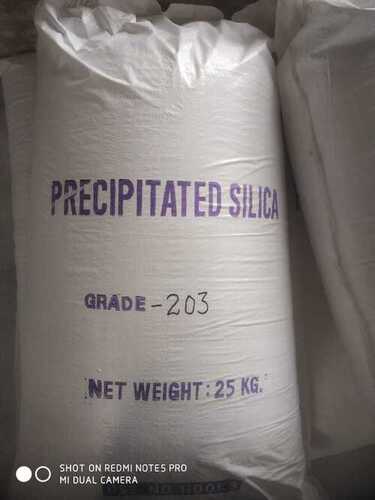
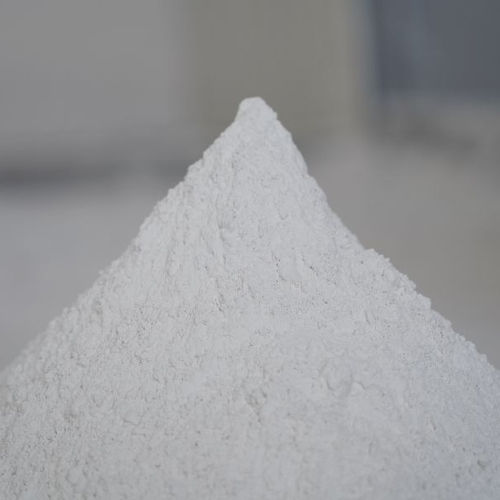
Key Characteristics of Precipitated SilicaThis precipitated silica offers ultrafine white powder with exceptional purity (98% minimum) and a tightly controlled bulk density of 0.30-0.50 g/cm3. The material displays a neutral pH (6.5-7.5 in 5% suspension) and a high specific surface area, enhancing its effectiveness in a wide range of industrial applications. Its excellent oil absorption and low loss on drying provide added value in processing.
Applications Across IndustriesPrecipitated silica is utilized as a reinforcing agent in rubber and tyre manufacturing, a thickener in paints and cosmetics, an anti-caking agent in powdered products, and as an efficient carrier for liquids in pharmaceutical and detergent formulations. Its amorphous, ultrafine structure ensures compatibility and performance across various end uses.
Safe Storage & Long Shelf LifeTo maintain its quality, store precipitated silica in a cool, dry place in tightly sealed HDPE or paper bags. Under proper storage conditions, the product retains its properties for up to two years, making it a reliable choice for bulk users and distributors.
FAQ's of precipitated silica:
Q: How is precipitated silica typically used in industrial applications?
A: Precipitated silica serves multiple roles such as a reinforcing agent in rubber and tyres, a thickener in paints and cosmetics, an anti-caking agent in food and detergent powders, and as a carrier for liquids in pharmaceuticals due to its high surface area and fine particle size.
Q: What are the storage requirements for precipitated silica to ensure its shelf life?
A: Store the product in a cool, dry environment with the packaging tightly closed. Using HDPE or paper bags further protects it from moisture and contamination, ensuring its effectiveness for up to two years.
Q: When should precipitated silica be incorporated into manufacturing processes?
A: It is best to add precipitated silica during the mixing or blending stage of your manufacturing process to ensure even dispersion, maximizing its reinforcing or thickening properties depending on your application.
Q: Where can precipitated silica manufactured in India be sourced from?
A: Precipitated silica is available from reputed manufacturers, suppliers, and traders across India. It is commonly supplied in HDPE or paper bags for industrial usage.
Q: What benefits does the fine particle size and high surface area of precipitated silica offer?
A: The ultrafine particle size (5-20 m) and large specific surface area (130-180 m2/g) allow precipitated silica to provide superior reinforcement, improved flow properties, enhanced thickening, and more effective absorption in multiple applications.
Q: How does the loss on drying and ignition loss impact product performance?
A: With a maximum loss on drying of 5% and ignition loss below 6%, precipitated silica maintains stability and purity during processing, minimizing unwanted effects on final product properties.





 Send Inquiry
 Get Latest Price

